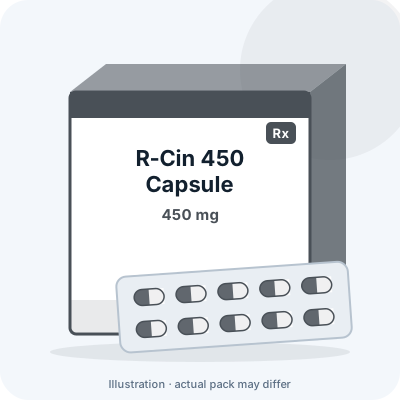
About R-Cin 450 Capsule
R-Cin 450 Capsule contains Rifampicin 450 mg. Rifampicin is an antibiotic used mainly to treat tuberculosis (TB), always together with other TB medicines. It is also used for leprosy and some other serious infections. It turns urine, sweat and tears an orange-red colour, which is harmless. It interacts with many other medicines, so tell your doctor about everything you take. It is very important to complete the full course.
Uses of R-Cin 450 Capsule
- Tuberculosis (TB), in combination with other TB medicines
- Leprosy, in combination with other medicines
- Some other serious bacterial infections, as advised by a doctor
Benefits
In tuberculosis
Together with other TB medicines, it kills the TB bacteria. Taking every dose for the full course is essential to treat TB fully and to stop the bacteria becoming resistant.
Side effects
Your doctor will check your liver tests during treatment. Never stop the medicine on your own; talk to your doctor about any side effects.
Common
- Orange-red urine, sweat, tears and saliva (harmless)
- Nausea
- Loss of appetite
- Stomach upset
- Flu-like symptoms such as fever and chills (especially if doses are missed or irregular)
Get medical help if you notice
- Yellowing of the skin or eyes, dark urine, persistent vomiting or severe tiredness (possible liver damage) — stop taking it and contact your doctor straight away
- Unusual bruising or bleeding — contact your doctor
- Passing much less urine — contact your doctor
- Severe skin rash, blistering, or swelling of the face or lips — seek emergency care
- Shortness of breath or wheezing — seek medical help
How to use
Take it exactly as your doctor prescribed, on an empty stomach — at least 30 minutes before food or 2 hours after a meal — with a glass of water. Take it at the same time every day and do not miss doses. Complete the full course.
How it works
It blocks an enzyme (RNA polymerase) that bacteria need to make proteins. Without it, the bacteria cannot grow and are killed.
Safety advice
Alcohol Unsafe
Avoid alcohol. It increases the risk of liver damage with this medicine.
Pregnancy Consult your doctor
TB treatment that includes rifampicin is often continued in pregnancy because untreated TB is dangerous. Your doctor will decide, and the baby may need vitamin K at birth.
Breastfeeding Consult your doctor
Small amounts pass into breast milk. Ask your doctor; breastfeeding is often possible during TB treatment.
Driving Caution
It can occasionally cause dizziness or tiredness. Do not drive if you feel affected.
Kidney Caution
Tell your doctor if you have kidney disease; you may need monitoring.
Liver Caution
It can harm the liver. Tell your doctor if you have liver disease or jaundice; your liver tests will be checked regularly.
If you miss a dose
If you miss a dose, take it as soon as you remember the same day. If it is nearly time for the next dose, skip the missed one. Do not take two doses together. Tell your doctor or TB nurse if you miss doses.
Quick tips
- Orange-red urine, sweat and tears are expected and harmless.
- It can permanently stain soft contact lenses; wear glasses during treatment.
- It makes hormonal contraceptives less reliable; use a non-hormonal method such as condoms.
- Take it on an empty stomach and never miss doses.
- Tell every doctor and pharmacist that you take rifampicin before starting any new medicine.
Substitutes
Same salts in the same strength from other makers. Only switch brands on your doctor's or pharmacist's advice; our pharmacist checks every order against the prescription.
Fact box
- Chemical class
- Rifamycin
- Therapeutic class
- Anti-infective / anti-tuberculosis
- Action class
- Bacterial RNA polymerase inhibitor
- Habit forming
- No
- Prescription
- Required
Interactions with other medicines
Tell your doctor and pharmacist about every medicine, vitamin and herbal product you take.
| Medicine | What can happen |
|---|---|
| Hormonal contraceptives (pills, injections, implants) | Become less effective; use another method |
| Warfarin | Its effect is reduced; your doctor may need to change the dose and check blood tests |
| Many HIV medicines | Their levels can fall a lot; some combinations must not be used |
| Diabetes tablets, steroid medicines and some heart medicines | Their effect may be reduced |
| Antifungals such as fluconazole and itraconazole | Their levels may be reduced |
This page is general information to help you understand your medicine. It is not a substitute for advice from your doctor or pharmacist. Do not start, stop or change a medicine on your own.
Written by the Asthra Health Care team from the approved prescribing information (Rifampicin prescribing information (CDSCO-approved labelling); WHO guidelines on the treatment of drug-susceptible tuberculosis; NICE BNF: rifampicin). Pharmacist review pending.