
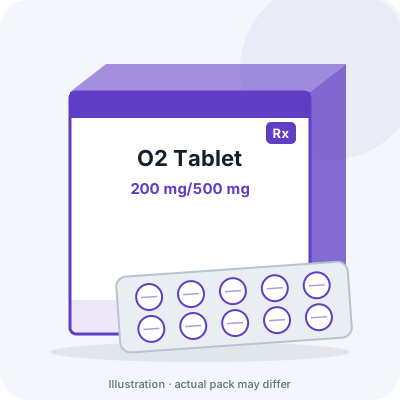
About O2 Tablet
O2 Tablet contains Ofloxacin 200 mg + Ornidazole 500 mg. This combination of two antibiotics is used to treat infections caused by a mix of bacteria and parasites, such as some types of diarrhoea and dysentery, and certain gynaecological, dental and wound infections. Ofloxacin is a fluoroquinolone antibiotic and ornidazole works against parasites and bacteria that grow without oxygen. Finish the full course.
Uses of O2 Tablet
- Diarrhoea and dysentery caused by bacteria and/or amoeba
- Certain gynaecological infections
- Mixed bacterial infections, such as some dental, abdominal or wound infections
Benefits
In mixed infections
Each medicine targets different germs, so together they can treat infections where more than one type of germ is involved. Taking the full course helps clear the infection and lowers the chance of resistance.
Side effects
Most side effects are mild and settle as your body gets used to the medicine. Talk to your doctor if any of them bother you or do not go away.
Common
- Nausea
- Stomach pain
- Metallic or bitter taste
- Headache
- Dizziness
- Difficulty sleeping
Get medical help if you notice
- Pain, swelling or a sudden snap in a tendon (especially the heel) — stop and contact your doctor
- Numbness, tingling, burning pain or weakness in the hands or feet — stop and contact your doctor
- Confusion, anxiety, low mood, unusual behaviour or thoughts of self-harm — stop and get medical help
- Fast or irregular heartbeat or fainting — seek medical help
- Severe or bloody diarrhoea during or after treatment — contact your doctor
- Allergic reaction: rash, itching, swelling of the face, lips or throat, or difficulty breathing — seek emergency care
How to use
Take it exactly as your doctor prescribed, at evenly spaced times. Swallow the tablet whole with water, preferably after food. Complete the full course even if you feel better.
How it works
Ofloxacin stops bacteria from copying their DNA, so they cannot grow. Ornidazole damages the DNA of parasites such as amoeba and of bacteria that live without oxygen, killing them.
Safety advice
Alcohol Unsafe
Avoid alcohol during treatment. It can worsen side effects such as dizziness and stomach upset.
Pregnancy Unsafe
It should not be used in pregnancy. Tell your doctor if you are pregnant or planning a pregnancy.
Breastfeeding Unsafe
It should not be used while breastfeeding. Ask your doctor about other options.
Driving Caution
It can cause dizziness, drowsiness or vision problems. Do not drive if you feel affected.
Kidney Caution
Tell your doctor if you have kidney disease; the dose may need to be changed.
Liver Caution
Tell your doctor if you have liver disease; the dose may need to be changed.
If you miss a dose
If you miss a dose, take it when you remember. If it is nearly time for the next dose, skip the missed one. Do not take two doses together.
Quick tips
- Complete the full course, even if you feel better.
- Keep a gap of at least 2 hours between this medicine and antacids, iron, zinc or calcium supplements.
- Avoid strong sunlight and sunlamps; this medicine can make the skin burn more easily.
- Drink plenty of fluids, especially if you have diarrhoea.
- Tell your doctor if you have epilepsy, diabetes, heart rhythm problems, myasthenia gravis or past tendon problems.
Substitutes
Same salts in the same strength from other makers. Only switch brands on your doctor's or pharmacist's advice; our pharmacist checks every order against the prescription.
Fact box
- Chemical class
- Fluoroquinolone (ofloxacin); nitroimidazole (ornidazole)
- Therapeutic class
- Anti-infective
- Action class
- DNA gyrase inhibitor + antiprotozoal/antibacterial
- Habit forming
- No
- Prescription
- Required
Interactions with other medicines
Tell your doctor and pharmacist about every medicine, vitamin and herbal product you take.
| Medicine | What can happen |
|---|---|
| Antacids, iron, zinc and calcium supplements | Reduce the absorption of ofloxacin; keep them at least 2 hours apart |
| Steroid medicines such as prednisolone | Higher risk of tendon damage |
| Warfarin | The blood-thinning effect may increase |
| NSAID painkillers | May increase the risk of fits |
| Diabetes medicines and insulin | Blood sugar may go too high or too low |
This page is general information to help you understand your medicine. It is not a substitute for advice from your doctor or pharmacist. Do not start, stop or change a medicine on your own.
Written by the Asthra Health Care team from the approved prescribing information (Ofloxacin and ornidazole prescribing information (CDSCO-approved labelling); US FDA safety communication on fluoroquinolone antibiotics, 2016 and 2018). Pharmacist review pending.