
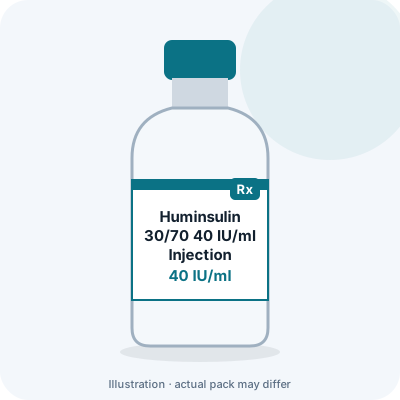
About Huminsulin 30/70 40 IU/ml Injection
Huminsulin 30/70 40 IU/ml Injection contains Human Insulin Soluble 30% + Isophane Insulin 70%. This is a premixed human insulin. It contains 30% short-acting (soluble) insulin and 70% intermediate-acting (isophane) insulin. It is injected under the skin, usually before meals, to control blood sugar in diabetes. Because insulin can cause low blood sugar, it is important to know the warning signs and to use the correct syringe or pen.
Uses of Huminsulin 30/70 40 IU/ml Injection
- Type 1 diabetes
- Type 2 diabetes when tablets alone do not control blood sugar
- Diabetes in pregnancy, when advised by a doctor
Benefits
In diabetes
It replaces or adds to the body's own insulin to keep blood sugar in a healthier range. The short-acting part covers the meal, and the longer-acting part works over many hours. Good control lowers the risk of long-term complications.
Side effects
Low blood sugar is the most important side effect. It is more likely if you miss a meal, exercise more than usual, drink alcohol or take too much insulin.
Common
- Low blood sugar (hypoglycaemia)
- Redness, swelling or itching where it is injected
- Weight gain
- Lumps or dents under the skin at injection sites
Get medical help if you notice
- Low blood sugar: sweating, shaking, fast heartbeat, hunger, confusion, unusual behaviour or blurred vision — take sugar, glucose or a sweet drink straight away; if the person is drowsy or cannot swallow, get emergency help
- Allergic reaction affecting the whole body: rash all over, swelling, difficulty breathing, fast heartbeat — seek emergency care
- Very high blood sugar: great thirst, passing a lot of urine, vomiting, fast breathing — seek medical help
How to use
Use it exactly as your doctor prescribed, usually about 30 minutes before a meal. Before each injection, gently roll and tip the vial or pen until the insulin looks evenly cloudy — do not shake hard. Inject under the skin of the tummy, thigh, buttock or upper arm, and change the spot each time. Use the syringe that matches your insulin's strength (for example, a 40 IU/ml vial needs a U-40 syringe). Never inject it into a vein.
How it works
Insulin helps sugar move from the blood into the body's cells, where it is used for energy. It also stops the liver from releasing too much sugar.
Safety advice
Alcohol Unsafe
Alcohol can cause dangerous low blood sugar, sometimes hours later. Avoid it, or drink only small amounts with food if your doctor says this is OK.
Pregnancy Safe
Insulin is widely used to control diabetes in pregnancy and labelling places no restriction on it. Your dose will need close monitoring and changes, so stay in touch with your doctor.
Breastfeeding Safe
Insulin can be used while breastfeeding, but your dose may need adjusting. Follow your doctor's advice.
Driving Caution
Low blood sugar can affect concentration. Check your blood sugar before driving, carry sugar, and do not drive if you feel signs of a low.
Kidney Caution
Kidney disease can lower the amount of insulin you need. Your doctor may adjust the dose and check your sugar more often.
Liver Caution
Liver disease can change the amount of insulin you need. Your doctor may adjust the dose.
If you miss a dose
If you miss a dose, do not inject a double dose. Check your blood sugar and ask your doctor or diabetes nurse what to do, as the right step depends on when you missed it and when you will eat.
Quick tips
- Always use the syringe that matches the strength written on your insulin.
- Store unopened insulin in the fridge (not the freezer). Keep the vial or pen in use as the pack advises and away from heat and sunlight.
- Change the injection site each time to prevent lumps under the skin.
- Carry glucose or sugar with you at all times.
- Eat a meal within about 30 minutes of injecting, as your doctor advises.
Substitutes
Same salts in the same strength from other makers. Only switch brands on your doctor's or pharmacist's advice; our pharmacist checks every order against the prescription.
Fact box
- Chemical class
- Human insulin (recombinant DNA origin)
- Therapeutic class
- Antidiabetic
- Action class
- Premixed insulin (short-acting + intermediate-acting)
- Habit forming
- No
- Prescription
- Required
Interactions with other medicines
Tell your doctor and pharmacist about every medicine, vitamin and herbal product you take.
| Medicine | What can happen |
|---|---|
| Other diabetes medicines | Increase the risk of low blood sugar |
| Beta-blockers such as propranolol | Can hide warning signs of low blood sugar |
| Steroid medicines, thyroid hormones and some water tablets | May raise blood sugar so more insulin may be needed |
| ACE inhibitors and some antidepressants | May lower blood sugar further |
| Pioglitazone | Together may increase the risk of fluid build-up and heart failure |
This page is general information to help you understand your medicine. It is not a substitute for advice from your doctor or pharmacist. Do not start, stop or change a medicine on your own.
Written by the Asthra Health Care team from the approved prescribing information (Human insulin (biphasic isophane) prescribing information (CDSCO-approved labelling); Biphasic isophane insulin Summary of Product Characteristics (EMC)). Pharmacist review pending.