
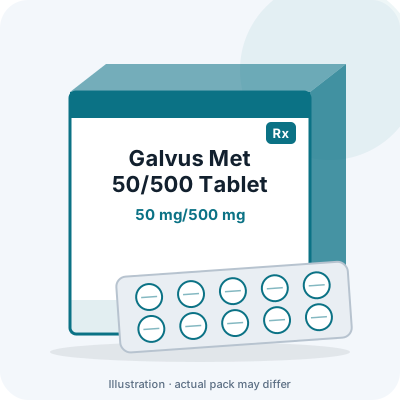
About Galvus Met 50/500 Tablet
Galvus Met 50/500 Tablet contains Vildagliptin 50 mg + Metformin 500 mg. This combination of two diabetes medicines is used to control blood sugar in adults with type 2 diabetes. Vildagliptin helps the body release insulin when sugar is high, and metformin lowers the sugar made by the liver. It is taken with meals, along with diet and exercise.
Uses of Galvus Met 50/500 Tablet
- Type 2 diabetes in adults, along with diet and exercise, when one medicine alone is not enough
Benefits
In type 2 diabetes
It lowers blood sugar in two different ways, which helps reduce the long-term risk of damage to the eyes, kidneys, nerves and heart. It works best with a healthy diet and regular activity.
Side effects
Stomach side effects are common at first and often settle. Taking it with food helps.
Common
- Nausea
- Diarrhoea
- Stomach pain or upset
- Metallic taste
- Headache
- Dizziness
- Shakiness
Get medical help if you notice
- Muscle pain, stomach pain, trouble breathing, feeling cold or very tired (signs of lactic acidosis) — stop and get medical help straight away
- Yellow eyes or skin, dark urine or loss of appetite (possible liver problems) — stop and contact your doctor
- Severe stomach pain that may spread to the back, with or without vomiting (possible pancreatitis) — stop and seek medical help
- Blisters on the skin — contact your doctor
- Shaking, sweating, fast heartbeat or confusion (low blood sugar), especially with insulin or sulfonylureas — eat or drink something sugary and contact your doctor
How to use
Take it exactly as your doctor prescribed, with meals or just after. Swallow the tablet whole with water.
How it works
Vildagliptin blocks an enzyme (DPP-4), so the body's own gut hormones last longer and help release insulin when blood sugar is high. Metformin lowers the amount of sugar the liver makes and helps the body use insulin better.
Safety advice
Alcohol Unsafe
Avoid alcohol. It increases the risk of lactic acidosis and low blood sugar.
Pregnancy Unsafe
It should not be used during pregnancy. Your doctor will usually switch you to another treatment such as insulin.
Breastfeeding Unsafe
It should not be used while breastfeeding.
Driving Caution
It can cause dizziness, and low blood sugar can occur with other diabetes medicines. Do not drive if you feel dizzy or shaky.
Kidney Caution
Your doctor will check your kidney function before and during treatment. It must not be used if the kidneys work very poorly.
Liver Unsafe
It should not be used in people with liver disease. Your doctor will check liver tests before and during treatment.
If you miss a dose
If you miss a dose, take it with your next meal if it is soon. If it is nearly time for the next dose, skip the missed one. Do not take two doses together.
Quick tips
- Take it with meals to reduce stomach upset.
- Tell your doctor before any scan with contrast dye or any operation, as you may need to pause it.
- Go for blood tests of liver and kidney function as your doctor advises.
- Long-term metformin can lower vitamin B12; ask your doctor about checking it.
Substitutes
Same salts in the same strength from other makers. Only switch brands on your doctor's or pharmacist's advice; our pharmacist checks every order against the prescription.
Fact box
- Chemical class
- Cyanopyrrolidine (vildagliptin); biguanide (metformin)
- Therapeutic class
- Antidiabetic
- Action class
- DPP-4 inhibitor + biguanide
- Habit forming
- No
- Prescription
- Required
Interactions with other medicines
Tell your doctor and pharmacist about every medicine, vitamin and herbal product you take.
| Medicine | What can happen |
|---|---|
| Iodinated contrast dye used in scans | Can affect the kidneys and raise the risk of lactic acidosis; the medicine may need to be paused |
| Insulin and sulfonylureas (such as glimepiride) | Higher risk of low blood sugar |
| ACE inhibitors (such as ramipril) | May raise the risk of swelling of the face, lips or throat (angioedema) |
| Steroids and some water tablets | Can raise blood sugar |
| Alcohol | Raises the risk of lactic acidosis |
This page is general information to help you understand your medicine. It is not a substitute for advice from your doctor or pharmacist. Do not start, stop or change a medicine on your own.
Written by the Asthra Health Care team from the approved prescribing information (Vildagliptin and metformin prescribing information (CDSCO-approved labelling); EMC SmPC: vildagliptin/metformin). Pharmacist review pending.