
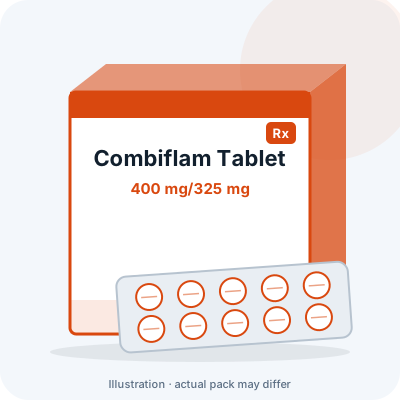
About Combiflam Tablet
Combiflam Tablet contains Ibuprofen 400 mg + Paracetamol 325 mg. This medicine combines two pain relievers, ibuprofen and paracetamol. It is used for short-term relief of pain and fever, such as headache, toothache, period pain, muscle and joint pain. Ibuprofen is a non-steroidal anti-inflammatory drug (NSAID) that also reduces swelling, while paracetamol eases pain and lowers temperature. It is best taken with or after food, for the shortest time needed.
Uses of Combiflam Tablet
- Fever
- Headache and toothache
- Period pain
- Muscle, joint and back pain
- Pain and swelling after minor injuries
Benefits
In pain relief
The two medicines work in different ways, so together they can ease pain that one alone may not control well. This can help you rest and carry on with daily activities.
In fever
It helps bring down a high temperature and eases the aches and discomfort that come with fever.
Side effects
Most side effects are mild. Taking it with or after food can reduce stomach upset. Talk to your doctor if any side effect bothers you or does not go away.
Common
- Nausea or vomiting
- Indigestion or heartburn
- Stomach pain
- Diarrhoea
- Dizziness
Get medical help if you notice
- Black or tarry stools, vomiting blood or material that looks like coffee grounds — signs of stomach bleeding; stop and get medical help at once
- Passing much less urine, or swelling of the feet or ankles — possible kidney problems; contact your doctor
- Yellowing of the skin or eyes, dark urine or severe tiredness — possible liver problems; contact your doctor
- Chest pain, breathlessness, weakness on one side of the body or slurred speech — seek emergency care
- Allergic reaction or severe skin reaction: rash, blistering, swelling of the face or lips, wheezing — stop and seek emergency care
How to use
Take it exactly as your doctor prescribed, with or after food. Swallow the tablet whole with water. For the suspension, shake the bottle well and measure the dose with the measuring cup or syringe provided, not a kitchen spoon. Use the lowest dose for the shortest time.
How it works
Ibuprofen blocks enzymes that make prostaglandins, chemicals that cause pain, swelling and fever. Paracetamol works mainly in the brain to reduce pain signals and lower body temperature.
Safety advice
Alcohol Unsafe
Avoid alcohol. It raises the risk of stomach bleeding from ibuprofen and of liver damage from paracetamol.
Pregnancy Unsafe
Avoid unless your doctor specifically advises it. Ibuprofen must not be used in the last three months of pregnancy and is generally avoided from 20 weeks, as it can harm the baby.
Breastfeeding Caution
Small amounts pass into breast milk. Short-term use may be acceptable, but ask your doctor first.
Driving Caution
It can cause dizziness or drowsiness in some people. Do not drive if you feel affected.
Kidney Caution
Ibuprofen can make kidney problems worse. Tell your doctor if you have kidney disease; it should not be used in severe kidney disease.
Liver Caution
Both medicines can affect the liver. Tell your doctor if you have liver disease; it should not be used in severe liver disease.
If you miss a dose
This medicine is usually taken only when needed. If you are on a regular schedule and miss a dose, take it when you remember, unless it is nearly time for the next one. Do not take two doses together.
Quick tips
- Take it with or after food to protect your stomach.
- Do not take any other medicine that contains paracetamol or another pain killer like it at the same time — check labels of cold and flu products.
- Use it for the shortest time possible. See a doctor if pain lasts more than a few days or fever more than 3 days.
- Tell your doctor if you have had stomach ulcers, asthma, heart, kidney or liver problems.
Substitutes
Same salts in the same strength from other makers. Only switch brands on your doctor's or pharmacist's advice; our pharmacist checks every order against the prescription.
Same salts, other strengths or forms
Fact box
- Chemical class
- Propionic acid derivative (ibuprofen); para-aminophenol derivative (paracetamol)
- Therapeutic class
- Pain relief / analgesic
- Action class
- NSAID + non-opioid analgesic and antipyretic
- Habit forming
- No
- Prescription
- Required
Interactions with other medicines
Tell your doctor and pharmacist about every medicine, vitamin and herbal product you take.
| Medicine | What can happen |
|---|---|
| Other NSAIDs such as aspirin, diclofenac or naproxen | Higher risk of stomach bleeding and kidney problems |
| Blood thinners such as warfarin, and steroid tablets | Higher risk of bleeding |
| Blood pressure medicines and water tablets (diuretics) | Can make them work less well and raise the risk of kidney problems |
| Lithium and methotrexate | Ibuprofen can raise their levels in the blood |
| Other paracetamol-containing medicines | Risk of taking too much paracetamol, which can seriously damage the liver |
This page is general information to help you understand your medicine. It is not a substitute for advice from your doctor or pharmacist. Do not start, stop or change a medicine on your own.
Written by the Asthra Health Care team from the approved prescribing information (Ibuprofen and paracetamol prescribing information (CDSCO-approved labelling); NICE BNF: ibuprofen; paracetamol). Pharmacist review pending.