
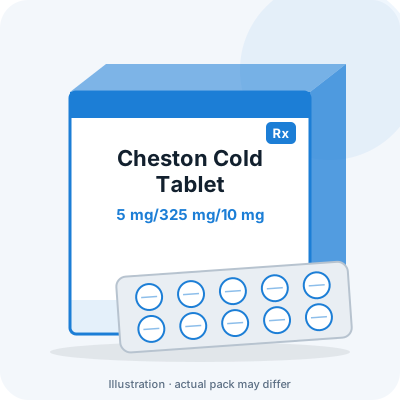
About Cheston Cold Tablet
Cheston Cold Tablet contains Cetirizine 5 mg + Paracetamol 325 mg + Phenylephrine 10 mg. This combination is used to relieve the symptoms of the common cold and flu, such as a runny or blocked nose, sneezing, watery eyes, headache, body ache and fever. It contains an antihistamine, a pain and fever reliever, and a nasal decongestant. It eases symptoms but does not treat the virus.
Uses of Cheston Cold Tablet
- Common cold
- Flu-like symptoms
- Runny or blocked nose and sneezing
- Headache, body ache and fever with a cold
Benefits
In cold and flu symptoms
It eases several symptoms at once — blocked or runny nose, sneezing, aches and fever — so you can rest and feel more comfortable while your body fights the infection.
Side effects
Most side effects are mild and settle as your body gets used to the medicine. Talk to your doctor if any of them bother you or do not go away.
Common
- Drowsiness
- Dry mouth
- Headache
- Nausea
- Restlessness or difficulty sleeping
Get medical help if you notice
- Fast or pounding heartbeat, chest pain or a very bad headache — stop and get medical help
- Difficulty passing urine — contact your doctor
- Yellowing of the skin or eyes — contact a doctor straight away
- Allergic reaction: rash, itching, swelling of the face, lips or throat, or difficulty breathing — seek emergency care
How to use
Take it exactly as your doctor prescribed or as the label advises. Swallow the tablet with water; it can be taken with or without food. Do not take it for more than a few days without medical advice.
How it works
Cetirizine blocks histamine to reduce sneezing, itching and a runny nose. Paracetamol reduces pain and fever. Phenylephrine narrows the swollen blood vessels in the nose to help clear a blocked nose.
Safety advice
Alcohol Unsafe
Avoid alcohol. It increases drowsiness and the risk of liver harm from paracetamol.
Pregnancy Consult your doctor
Decongestants are usually avoided in pregnancy. Use only if your doctor advises it.
Breastfeeding Consult your doctor
Ask your doctor before using it while breastfeeding.
Driving Caution
It can make you drowsy. Do not drive or operate machinery until you know how it affects you.
Kidney Caution
Use with caution in kidney disease; your doctor may advise a lower dose or a different medicine.
Liver Caution
Use with caution in liver disease, and only if your doctor advises.
If you miss a dose
It is usually taken when needed. If you are taking it regularly and miss a dose, take it when you remember unless the next dose is due soon. Do not take two doses together.
Quick tips
- Do not take other cold, flu or pain medicines with it — many also contain paracetamol or a decongestant.
- Tell your doctor if you have high blood pressure, heart disease, thyroid problems, diabetes, glaucoma or prostate problems.
- Do not take it if you have used an MAOI antidepressant in the last 14 days.
- See a doctor if symptoms last more than a few days or fever is high.
Substitutes
Same salts in the same strength from other makers. Only switch brands on your doctor's or pharmacist's advice; our pharmacist checks every order against the prescription.
Fact box
- Chemical class
- Piperazine derivative (cetirizine); para-aminophenol derivative (paracetamol); phenylethylamine (phenylephrine)
- Therapeutic class
- Respiratory / cold and flu
- Action class
- H1 antihistamine + analgesic-antipyretic + nasal decongestant
- Habit forming
- No
- Prescription
- Required
Interactions with other medicines
Tell your doctor and pharmacist about every medicine, vitamin and herbal product you take.
| Medicine | What can happen |
|---|---|
| MAOI antidepressants | Can cause a dangerous rise in blood pressure |
| Other medicines containing paracetamol | Risk of taking too much and liver damage |
| Blood pressure medicines, including beta-blockers | The decongestant may raise blood pressure and reduce their effect |
| Sedatives, sleeping pills and alcohol | Can add to drowsiness |
This page is general information to help you understand your medicine. It is not a substitute for advice from your doctor or pharmacist. Do not start, stop or change a medicine on your own.
Written by the Asthra Health Care team from the approved prescribing information (Cetirizine, paracetamol and phenylephrine prescribing information (CDSCO-approved labelling); NICE BNF: phenylephrine hydrochloride). Pharmacist review pending.