
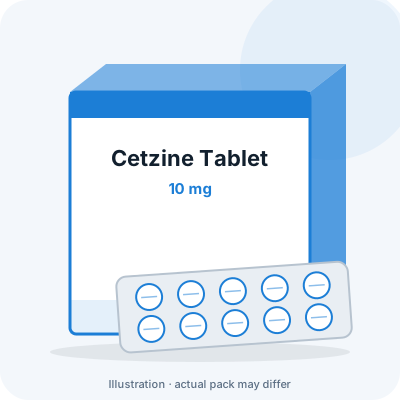
About Cetzine Tablet
Cetzine Tablet contains Cetirizine 10 mg. Cetirizine is an antihistamine used to relieve allergy symptoms. It eases sneezing, runny nose, itchy, watery eyes and itchy skin rashes such as hives. It causes less drowsiness than older antihistamines, but some people still feel sleepy. It is usually taken once a day.
Uses of Cetzine Tablet
- Allergic rhinitis (hay fever) — seasonal or year-round
- Itchy, watery eyes caused by allergy
- Hives (urticaria) and itchy skin rashes
Benefits
In allergies
It eases sneezing, a runny nose and itchy eyes, helping you feel more comfortable through the day.
In hives
It reduces itching and the number and size of raised itchy patches on the skin.
Side effects
Most side effects are mild. If you feel sleepy, taking it in the evening may help.
Common
- Drowsiness
- Tiredness
- Dry mouth
- Headache
- Sore throat
Get medical help if you notice
- Allergic reaction: swelling of the face, lips or throat, difficulty breathing — seek emergency care
- Difficulty passing urine — contact your doctor
How to use
Take it exactly as your doctor or the label advises, usually once a day. Swallow the tablet with water; it can be taken with or without food.
How it works
It blocks histamine, a chemical the body releases during an allergic reaction. Histamine causes sneezing, itching, a runny nose and skin swelling.
Safety advice
Alcohol Unsafe
Avoid alcohol. It can add to drowsiness and make you less alert.
Pregnancy Consult your doctor
Use only if your doctor advises it. Tell your doctor if you are pregnant or planning a pregnancy.
Breastfeeding Consult your doctor
Cetirizine passes into breast milk. Ask your doctor before using it while breastfeeding.
Driving Caution
It can make some people drowsy. Do not drive or use machines until you know how it affects you.
Kidney Caution
Your doctor may lower the dose if you have kidney disease. It is not recommended in severe kidney disease.
Liver Caution
Tell your doctor if you have liver disease; the dose may need to be changed.
If you miss a dose
If you miss a dose, take it when you remember the same day. If it is nearly time for the next dose, skip the missed one. Do not take two doses together.
Quick tips
- If it makes you sleepy, take it in the evening.
- Avoid alcohol and sleeping pills while taking it.
- Tell your doctor if you have difficulty passing urine or have epilepsy.
- If you are having an allergy skin test, you may need to stop it a few days before; ask your doctor.
Substitutes
Same salts in the same strength from other makers. Only switch brands on your doctor's or pharmacist's advice; our pharmacist checks every order against the prescription.
Fact box
- Chemical class
- Piperazine derivative
- Therapeutic class
- Respiratory / anti-allergy
- Action class
- H1 antihistamine (second generation)
- Habit forming
- No
- Prescription
- Not required
Interactions with other medicines
Tell your doctor and pharmacist about every medicine, vitamin and herbal product you take.
| Medicine | What can happen |
|---|---|
| Alcohol, sleeping pills and other sedating medicines | Can add to drowsiness |
| Ritonavir | May increase the level of cetirizine in the blood |
| Theophylline | May slightly increase the level of cetirizine |
This page is general information to help you understand your medicine. It is not a substitute for advice from your doctor or pharmacist. Do not start, stop or change a medicine on your own.
Written by the Asthra Health Care team from the approved prescribing information (Cetirizine prescribing information (CDSCO-approved labelling); Cetirizine Summary of Product Characteristics (EMC)). Pharmacist review pending.