
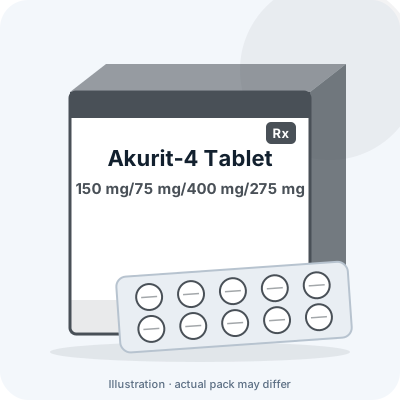
About Akurit-4 Tablet
Akurit-4 Tablet contains Rifampicin 150 mg + Isoniazid 75 mg + Pyrazinamide 400 mg + Ethambutol 275 mg. This fixed-dose combination of four anti-tuberculosis (TB) medicines is used in the first (intensive) phase of TB treatment. Taking all four together helps kill TB bacteria and prevent resistance. It must be taken every day exactly as advised, and the whole course must be completed.
Uses of Akurit-4 Tablet
- Tuberculosis (TB) — intensive phase of treatment, as part of a national or doctor-advised TB programme
Benefits
In tuberculosis
The four medicines attack TB bacteria in different ways, which clears the infection and lowers the chance of resistant TB. Most people feel better within a few weeks, but the full course must be completed to avoid the illness coming back.
Side effects
Do not stop or change your TB medicines on your own. Your doctor will check your liver and eyesight during treatment.
Common
- Orange-red colour of urine, sweat and tears (harmless)
- Nausea
- Loss of appetite
- Stomach upset
- Joint pain
- Itching or mild rash
- Tingling or numbness in hands and feet
Get medical help if you notice
- Yellow eyes or skin, dark urine, vomiting, stomach pain or severe loss of appetite (possible liver damage) — stop and contact your doctor straight away
- Blurred vision, reduced vision or difficulty telling red from green — contact your doctor straight away
- Severe skin rash with blisters, peeling or fever — seek emergency care
- Unusual bruising or bleeding — contact your doctor
- Painful, swollen joint (gout) — contact your doctor
- Fever, chills and flu-like illness — contact your doctor
How to use
Take it exactly as your doctor or TB programme prescribed, once a day, ideally on an empty stomach at the same time each day. Swallow the tablets with water. Do not miss doses and complete the full course.
How it works
Rifampicin and isoniazid kill TB bacteria by blocking the making of RNA and of the bacterial cell wall. Pyrazinamide kills bacteria in acidic areas of the body, and ethambutol blocks the building of the bacterial cell wall. Together they clear the infection and prevent resistance.
Safety advice
Alcohol Unsafe
Avoid alcohol. It greatly increases the risk of liver damage.
Pregnancy Consult your doctor
TB needs treatment in pregnancy, but your doctor will choose the right medicines. Tell your doctor if you are pregnant or planning a pregnancy.
Breastfeeding Consult your doctor
Breastfeeding is often possible during TB treatment, but ask your doctor first. Extra vitamin B6 may be advised.
Driving Caution
It can affect vision and cause dizziness. Do not drive if your vision changes or you feel affected.
Kidney Caution
This fixed combination may not be suitable in kidney disease, as some ingredients build up. Your doctor may use separate medicines.
Liver Unsafe
It should not be used in people with existing liver disease or jaundice unless a specialist advises, as it can cause serious liver damage.
If you miss a dose
If you miss a dose, take it as soon as you remember the same day. If it is nearly time for the next dose, skip the missed one. Do not take two doses together. Tell your doctor or TB worker about missed doses.
Quick tips
- Never stop treatment early, even if you feel better.
- Orange-red urine and tears are expected; soft contact lenses may become stained.
- Use a non-hormonal method of contraception, as rifampicin makes hormonal methods less effective.
- Report any change in vision or yellowing of the eyes straight away.
- Tell every doctor you see that you are on TB treatment, as it affects many other medicines.
Substitutes
Same salts in the same strength from other makers. Only switch brands on your doctor's or pharmacist's advice; our pharmacist checks every order against the prescription.
Fact box
- Chemical class
- Rifamycin (rifampicin) + hydrazide (isoniazid) + pyrazine (pyrazinamide) + ethylenediamine derivative (ethambutol)
- Therapeutic class
- Anti-infective / anti-tuberculosis
- Action class
- First-line anti-tubercular combination
- Habit forming
- No
- Prescription
- Required
Interactions with other medicines
Tell your doctor and pharmacist about every medicine, vitamin and herbal product you take.
| Medicine | What can happen |
|---|---|
| Hormonal contraceptives | Rifampicin makes them less effective; use another method |
| Blood thinners such as warfarin, diabetes medicines and steroids | Rifampicin lowers their effect; doses may need changing |
| Many HIV medicines | Levels can fall a lot; some must not be used together — your doctor will choose a suitable plan |
| Phenytoin | Levels may change; isoniazid can raise them and rifampicin can lower them |
| Antacids | Can reduce absorption of some TB medicines; keep them apart |
This page is general information to help you understand your medicine. It is not a substitute for advice from your doctor or pharmacist. Do not start, stop or change a medicine on your own.
Written by the Asthra Health Care team from the approved prescribing information (Rifampicin, isoniazid, pyrazinamide and ethambutol FDC prescribing information (CDSCO-approved labelling); WHO consolidated guidelines on tuberculosis treatment; India National TB Elimination Programme (NTEP) technical guidance). Pharmacist review pending.