About Aceclofenac + Paracetamol 100 mg/325 mg Tablet
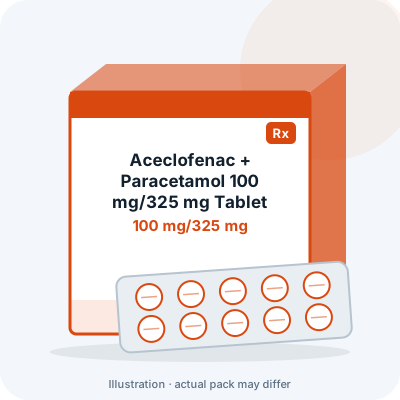
Aceclofenac + Paracetamol 100 mg/325 mg Tablet contains Aceclofenac 100 mg + Paracetamol 325 mg. This combination of two pain relievers is used to ease pain and swelling in conditions such as arthritis, back pain, sprains and dental pain. Aceclofenac is a non-steroidal anti-inflammatory drug (NSAID) and paracetamol is a pain and fever reliever. It is usually taken with or after food to protect the stomach, for the shortest time your doctor advises.
Uses of Aceclofenac + Paracetamol 100 mg/325 mg Tablet
- Pain and swelling of the joints in osteoarthritis and rheumatoid arthritis
- Back pain, muscle pain and sprains
- Dental pain and pain after minor procedures
- Fever with body pain, when your doctor advises it
Benefits
In pain and inflammation
It reduces pain, stiffness and swelling, which can make it easier to move and carry on with daily activities. It eases symptoms but does not treat the cause of the pain.
Side effects
Stomach side effects are less likely if you take it with food. Talk to your doctor if any side effect bothers you or does not go away.
Common
- Nausea
- Indigestion or heartburn
- Stomach pain
- Diarrhoea
- Dizziness
Get medical help if you notice
- Black or tarry stools, vomiting blood or severe stomach pain (signs of stomach bleeding) — stop and get medical help straight away
- Passing much less urine, or swelling of the legs (possible kidney problems) — contact your doctor
- Yellow eyes or skin, or dark urine (possible liver problems) — contact your doctor
- Chest pain, breathlessness, weakness on one side of the body or slurred speech — seek emergency care
- Allergic reaction: rash, blistering skin, swelling of the face or lips, difficulty breathing — seek emergency care
How to use
Take it exactly as your doctor prescribed. Swallow the tablet whole with water, with or after food. Use it for the shortest time needed and do not take more than prescribed.
How it works
Aceclofenac blocks enzymes that make prostaglandins, chemicals that cause pain and swelling. Paracetamol works mainly in the brain to reduce pain and lower fever.
Safety advice
Alcohol Unsafe
Avoid alcohol. It increases the risk of stomach bleeding and of liver damage from paracetamol.
Pregnancy Unsafe
Generally avoided in pregnancy. NSAIDs like aceclofenac must not be used in the last three months of pregnancy, as they can harm the baby. Use only if your doctor specifically advises it.
Breastfeeding Consult your doctor
It is not known whether aceclofenac passes into breast milk. Ask your doctor before using it while breastfeeding.
Driving Caution
It can cause dizziness or drowsiness in some people. Do not drive if you feel affected.
Kidney Caution
NSAIDs can reduce kidney function. Use with caution and only if your doctor advises it; it is not suitable in severe kidney disease.
Liver Caution
Use with caution in liver disease, as both medicines are processed by the liver. It is not suitable in severe liver disease.
If you miss a dose
If you miss a dose, take it when you remember if you still need it. If it is nearly time for the next dose, skip the missed one. Do not take two doses together.
Quick tips
- Take it with or after food to protect your stomach.
- Do not take any other medicine that contains paracetamol at the same time.
- Do not combine it with other painkillers such as ibuprofen or aspirin unless your doctor says so.
- Tell your doctor if you have had stomach ulcers, heart disease, high blood pressure or kidney problems.
Substitutes
Same salts in the same strength from other makers. Only switch brands on your doctor's or pharmacist's advice; our pharmacist checks every order against the prescription.
Fact box
- Chemical class
- Phenylacetic acid derivative (aceclofenac); para-aminophenol derivative (paracetamol)
- Therapeutic class
- Pain relief / anti-inflammatory
- Action class
- NSAID + analgesic and antipyretic
- Habit forming
- No
- Prescription
- Required
Interactions with other medicines
Tell your doctor and pharmacist about every medicine, vitamin and herbal product you take.
| Medicine | What can happen |
|---|---|
| Other medicines containing paracetamol | Risk of taking too much paracetamol, which can damage the liver |
| Other NSAIDs, including aspirin | Higher risk of stomach ulcers and bleeding |
| Blood thinners such as warfarin | Higher risk of bleeding |
| Blood pressure medicines and water tablets (diuretics) | Their effect may be reduced, and the risk of kidney problems may increase |
| Lithium and methotrexate | Their blood levels may rise, increasing side effects |
This page is general information to help you understand your medicine. It is not a substitute for advice from your doctor or pharmacist. Do not start, stop or change a medicine on your own.
Written by the Asthra Health Care team from the approved prescribing information (Aceclofenac and paracetamol prescribing information (CDSCO-approved labelling); NICE BNF: aceclofenac; paracetamol). Pharmacist review pending.